The Basics of Probability in Gaming
Understanding the concept of probability is crucial for anyone interested in casino games. Probability refers to the likelihood of an event occurring and is expressed as a ratio or a percentage. In the context of casino games, probability helps players evaluate their chances of winning and making informed decisions. For example, when rolling a standard six-sided die, the probability of rolling a three is 1 in 6, or about 16.67%. Many players also seek to enhance their experience by comparing different strategies and systems to improve their overall results, making it essential to know where to find the best resources to help them, such as a reliable screen that provides valuable insights. This foundational knowledge allows players to grasp how different games operate and the inherent risks involved.
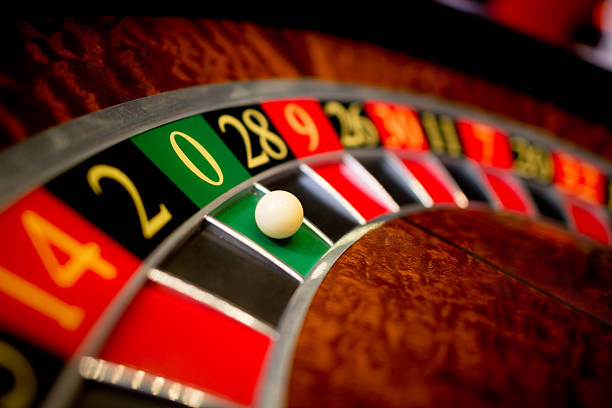
Furthermore, different casino games offer varying probabilities based on their mechanics. Games like roulette, where players place bets on potential outcomes, can have probabilities that fluctuate depending on the type of bet placed. For example, the odds of hitting a single number in American roulette is 1 in 38 due to the presence of both a 0 and a 00. Conversely, betting on red or black only provides a slightly better chance of winning at around 47.37%, taking into account the house edge. Understanding these probabilities not only helps players strategize their gameplay but also improves their overall gaming experience.
In addition, probability in casino games often incorporates the concept of house edge, which is the advantage that the casino has over players. This edge varies from game to game and is influenced by the rules, the payout structure, and the overall strategy involved. By appreciating how probability works within these frameworks, players can make more strategic bets and mitigate losses over time. The better one understands probability, the more effectively they can approach various casino games.
Common Casino Games and Their Probabilities
Casino games can generally be categorized into various types, each with its own unique probabilities. For instance, slot machines, one of the most popular forms of gambling, operate using random number generators. The odds of hitting a jackpot can significantly vary depending on the machine and its payout structure. Generally, traditional slots tend to have a higher probability of winning smaller amounts compared to progressive slots, which typically offer a lower chance of winning but with a much larger payout potential.
Table games such as blackjack and poker also present distinct probabilities. In blackjack, the player competes against the dealer, and understanding the probabilities of receiving specific card combinations can greatly influence one’s strategy. Players who are skilled at calculating probabilities can make better decisions, such as when to hit, stand, or double down. Poker, on the other hand, requires players to consider probabilities not only of their own hand but also of their opponents’ potential hands, leading to a more complex game dynamic.
Baccarat is another game where understanding probabilities can be beneficial. The game has three main betting options: player, banker, and tie. Statistically, betting on the banker offers the best odds for winning, with a probability of around 45.87%. Players who are aware of these probabilities can make more informed betting choices, maximizing their chances of winning while minimizing potential losses. Each game involves unique strategies, and understanding the underlying probabilities can elevate a player’s approach.
The Role of House Edge in Casino Odds
The house edge is a critical concept in understanding how probabilities function within casino games. This edge represents the percentage of each bet that the casino retains over the long term, ensuring profitability for the establishment. For instance, in American roulette, the house edge stands at around 5.26%, meaning that for every $100 wagered, the casino expects to keep approximately $5.26. This built-in advantage underscores the importance of understanding probabilities, as it impacts the potential return on investment for players.
Different games have varied house edges, which directly affects the player’s odds. In games like craps, the house edge can range from about 1.36% for the pass line bet to higher percentages for less favorable bets. Similarly, games like video poker provide better odds for players who employ optimal strategies. The house edge can be reduced significantly, sometimes to less than 1%, if players are familiar with the correct strategies and probabilities of winning combinations.
Moreover, the concept of the house edge not only influences the expected outcomes but also affects how players approach their gaming sessions. Awareness of the edge helps players make decisions on how long to play and how much money to wager. By understanding that the house always has an advantage, players can manage their expectations and develop a strategy tailored to their risk tolerance, leading to a more enjoyable gaming experience.
The Psychology of Risk and Reward
The psychology behind gambling is intricately tied to the concepts of risk and reward, both of which are deeply rooted in probability. Players are often drawn to the thrill of high-risk games due to the allure of substantial rewards. This dynamic can be seen in games like high-stakes poker, where players may risk large sums of money in hopes of winning even more. Understanding the probabilities associated with these games can help players assess whether the potential rewards outweigh the risks they are taking.
Furthermore, the presence of cognitive biases, such as the gambler’s fallacy, can cloud players’ judgment regarding probabilities. This fallacy leads individuals to believe that past outcomes will influence future results, often resulting in poor betting decisions. For example, if a player has observed a streak of black wins at the roulette table, they may mistakenly believe that red is now “due” to win. Awareness of such biases can enhance a player’s understanding of the probabilities at play and encourage more rational decision-making.
Ultimately, the interplay of risk and reward in gambling is not merely about numbers; it is also about emotional engagement and personal experience. Players who comprehend the probabilities of their favorite games can better navigate their emotions, harnessing the excitement without allowing it to cloud their judgment. Balancing the thrill of the game with a pragmatic understanding of odds can significantly enhance a player’s gambling journey.
Your Go-To Resource for Casino Knowledge
For those looking to deepen their understanding of probabilities in casino games, our website serves as an invaluable resource. Here, players can find comprehensive articles, tutorials, and guides that break down the nuances of various games. Whether you’re a novice eager to learn the basics or an experienced player looking to refine your strategies, our content is tailored to suit a wide range of skill levels and interests.
In addition to educational materials, our platform provides interactive tools and calculators designed to help players analyze odds and make informed betting decisions. Engaging with these resources can empower players to understand their gaming choices better and to develop strategies that align with their risk preferences and goals. The more informed a player is, the more control they have over their gambling experience.
Join us on this journey to uncover the secrets of casino probabilities and elevate your gaming experience. With a commitment to providing accurate information and expert insights, our website is dedicated to helping you navigate the world of gambling with confidence and knowledge.